Method for Determining 5 Disinfection Byproducts in Drinking Water Using Anyeep TQ9120
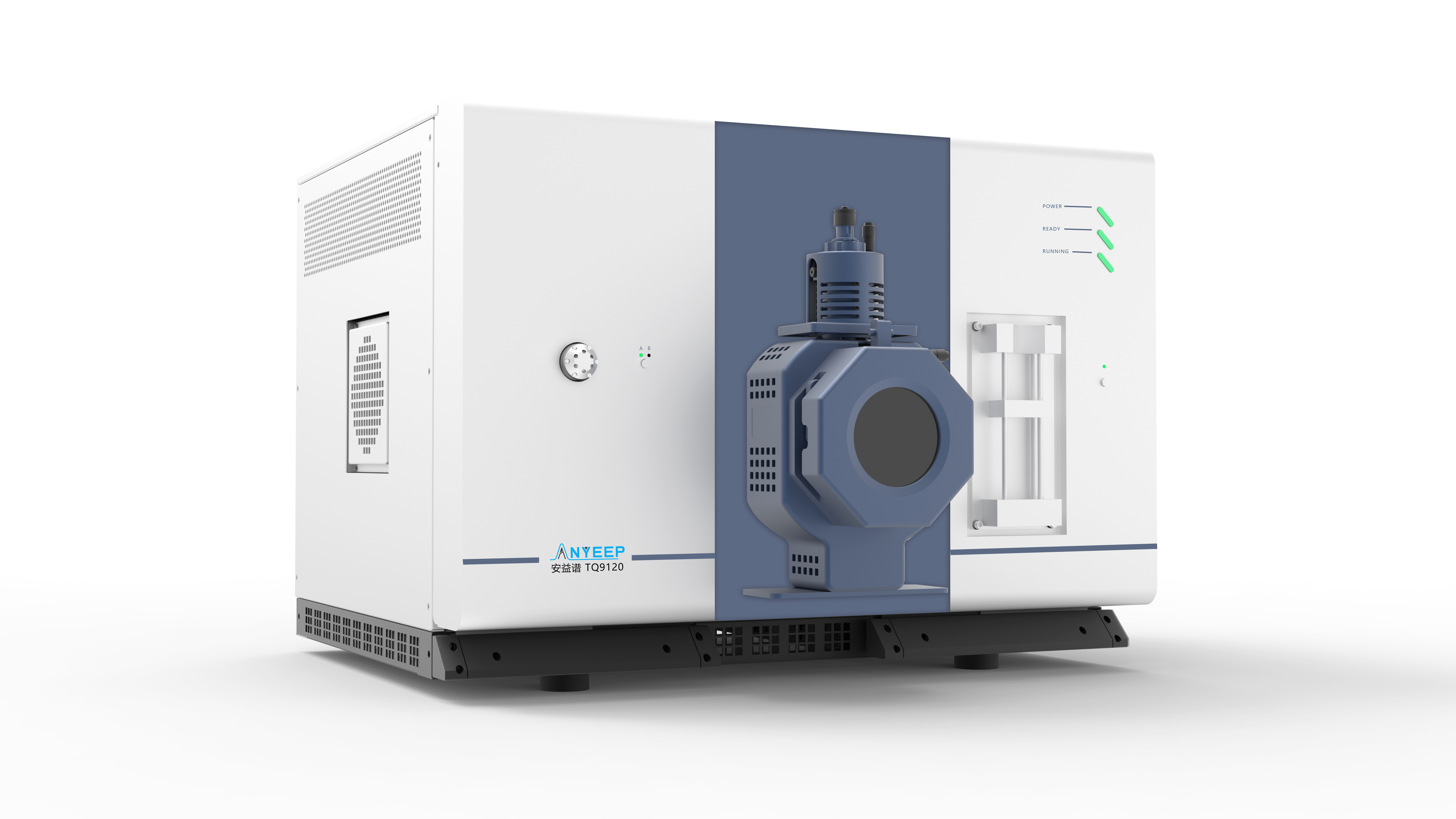
This study used the Anyeep TQ9120 ultra-high-performance liquid chromatography-tandem mass spectrometry system from Anyeep to develop a method for quantifying 5 disinfection byproducts in drinking water. The method demonstrated excellent linearity, with detection limits and quantification limits meeting relevant standards. Using this method and equipment, we achieved detection and quantification of 5 disinfection byproducts.
Disinfection by-products (DBPs) are secondary pollutants formed during the disinfection of water sources such as drinking water and swimming pool water, when disinfectants react with natural organic matter, inorganic compounds, and human metabolites present in the water. Since the discovery of trihalomethanes (THMs) in chlorination processes in 1974, over 700 DBPs have been identified. Among these, THMs and haloacetic acids (HAAs) pose risks such as carcinogenicity and reproductive toxicity and are subject to regulatory control. The "GB 5749-2022 Standard for Health Requirements of Drinking Water" specifies detection limits for substances including dichloroacetic acid, trichloroacetic acid, chlorate, chlorite, and bromate in drinking water.
This method, developed in accordance with Section 15 of GB/T 5750.10-{1 "Standard Examination Methods for Drinking Water Quality" Part 10: Indicators of Disinfection By-products, enables the simultaneous detection of 5 disinfection by-products in drinking water.
Instruments and Reagents
Anyeep TQ120 Ultra-High Performance Liquid Chromatography-Tandem Mass Spectrometry System
Acetonitrile(Thermo Fisher Scientific, USA)
Ammonium formate (HPLC grade, Merck KGaA, Germany)
Dichloroacetic acid, trichloroacetic acid, and other reference standards (Beijing Tanmo)
Dichloroacetic acid-13C3, chlorates-18O3(Beijing Tanmo)
Liquid Chromatography Conditions
Mobile Phase A: 10 mM ammonium formateWater
Mobile Phase B: Acetonitrile
Chromatography column: Waters ACQUITY UPLC BEH HILIC, 1.7µm,2.1×100 mm
stream Fast: 0.4mL/min
Column Warm: 40 ℃
Injection volume:10μL
Mass Spectrometry Conditions
Ionization Source: Electrospray Ionization Source (ESI)-)
Source Warm degree: 600 ℃
Spray Voltage: -4500 V
Qi curtain Qi: 35psi
Fog Qi: 50psi
Assist Help Qi: 70psi
Clap Crash Qi: 11
Scan Mode:MRM
Gradient elution program
Time (min) | A % | B % | Flow Rate mL/min |
0.0 | 5 | 95 | 0.4 |
1.0 | 5 | 95 | 0.4 |
2.0 | 60 | 40 | 0.4 |
3.0 | 60 | 40 | 0.4 |
3.1 | 5 | 95 | 0.4 |
5.5 | 5 | 95 | 0.4 |
Analyte MRM Parameters
Test Item | Q1 Ion | Q3 Ion | Residency Time (ms) | CE(V) | DP(V) |
Dichloroacetic acid | 126.8 | 82.9 | 50 | 4 | 40 |
126.8 | 34.8 | 50 | 16 | 40 | |
Trichloroacetic acid | 117.0 | 34.8 | 50 | 4 | 40 |
161.0 | 117.0 | 50 | 2 | 40 | |
Chlorates | 82.7 | 66.7 | 50 | 17 | 80 |
84.6 | 68.7 | 50 | 17 | 80 | |
chlorite | 66.7 | 50.7 | 50 | 7 | 80 |
66.7 | 34.9 | 50 | 17 | 80 | |
Bromate | 128.8 | 112.9 | 50 | 23 | 80 |
126.8 | 110.9 | 50 | 19 | 80 | |
Dichloroacetic-13C3 | 129.8 | 85.8 | 50 | 4 | 40 |
Chlorate-18O3 | 89.0 | 71.0 | 50 | 17 | 80 |
Sample Processing
Measure 10 mL of water sample and add 40.μL isotope internal standard, mixed, via 0.22μmAfter membrane filtration, 10μLInject for analysis.
Summary
This study established an ultra-high-performance liquid chromatography-tandem mass spectrometry system (Anyee p TQ91).20 AnalysisPotable Waterzh5 Disinfection Byproductsdetection method. As shown in the results, this method exhibits excellent sensitivity, stability, and a wide linear range.Related indicators meet national standard requirements.Suitable forDisinfection By-Products in Drinking WaterRoutine analysis and testing.