Selecting Mass Spectrometers for University Research: Applicability Boundaries Between GC-MS and LC-MS
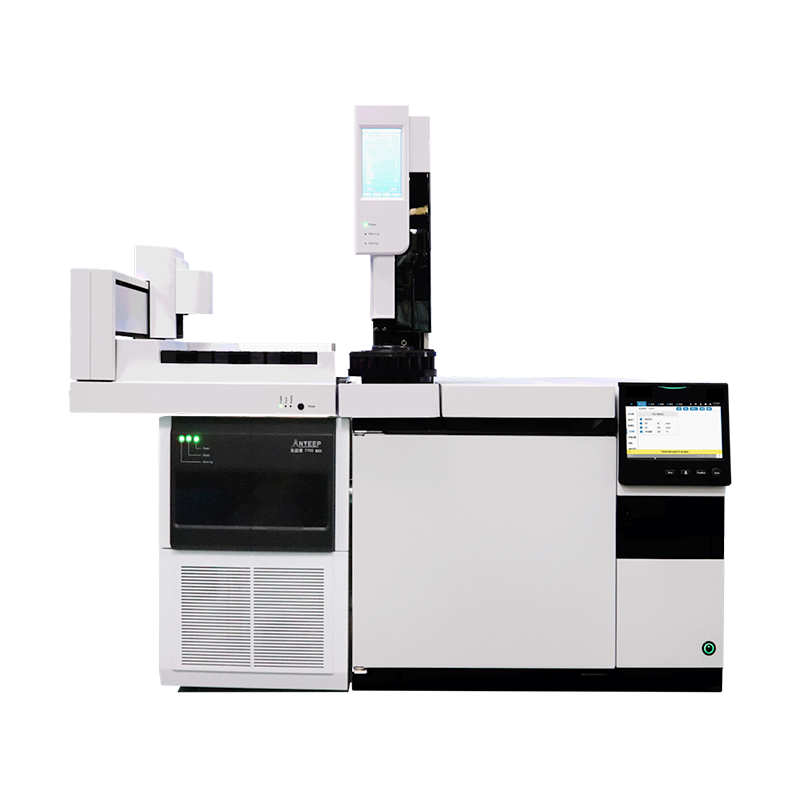
GC-MS and LC-MS are the two most widely used mass spectrometry platforms in university research. Their underlying principles, applicable sample types, and analytical objectives differ fundamentally. Selecting the wrong instrument can lead to substandard data quality or, in severe cases, require a complete overhaul of your project's analytical strategy.
Technical boundaries of GC-MS
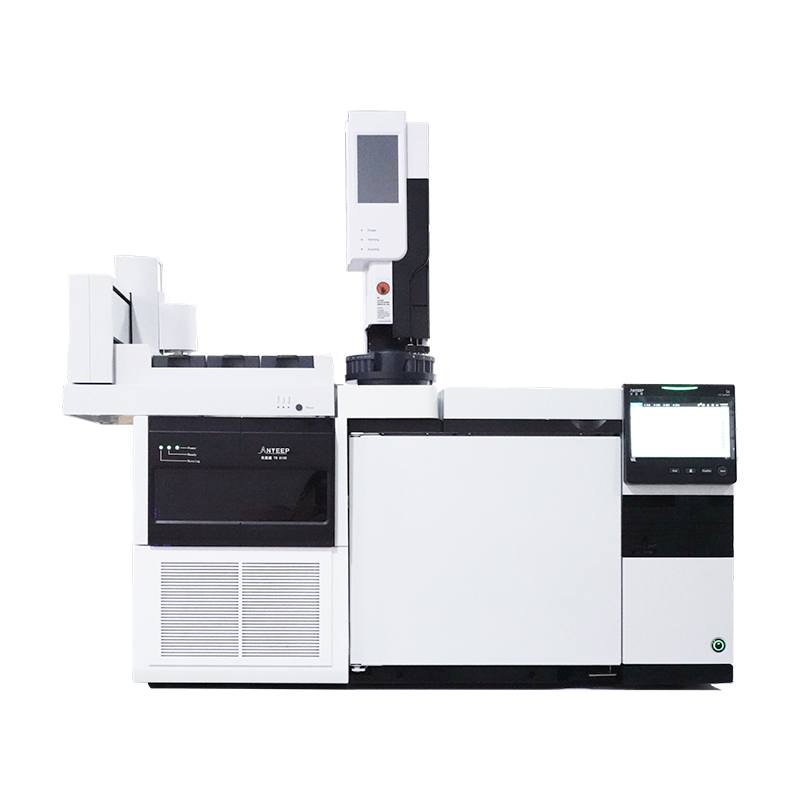
GC-MS requires that samples can be vaporized at high temperatures without decomposing. This makes it ideally suited for analyzing volatile and semi-volatile organic compounds—typically with molecular weights below 500 Da—that are thermally stable. GC-MS is the standard configuration for applications such as detecting polycyclic aromatic hydrocarbons in water samples (environmental science labs), analyzing pesticide residues in food (food science labs), and identifying biomarkers in exhaled breath using headspace sampling (metabolomics studies).
GC-MS offers the advantage of mature spectral library matching. Standard libraries like NIST contain hundreds of thousands of electron ionization (EI) spectra, enabling researchers to identify unknown compounds within minutes. For analytical chemistry education, this complete workflow—sample introduction, separation, ionization, detection, and library search—provides students with the most intuitive path to understanding mass spectrometry principles.
Clear limitations: GC-MS cannot directly analyze samples that cannot be vaporized or decompose upon vaporization, such as proteins, peptides, polysaccharides, and most drug metabolites. Derivatization can extend the applicable range but increases operational complexity and potential sources of error.
Technical boundaries of liquid chromatography-mass spectrometry
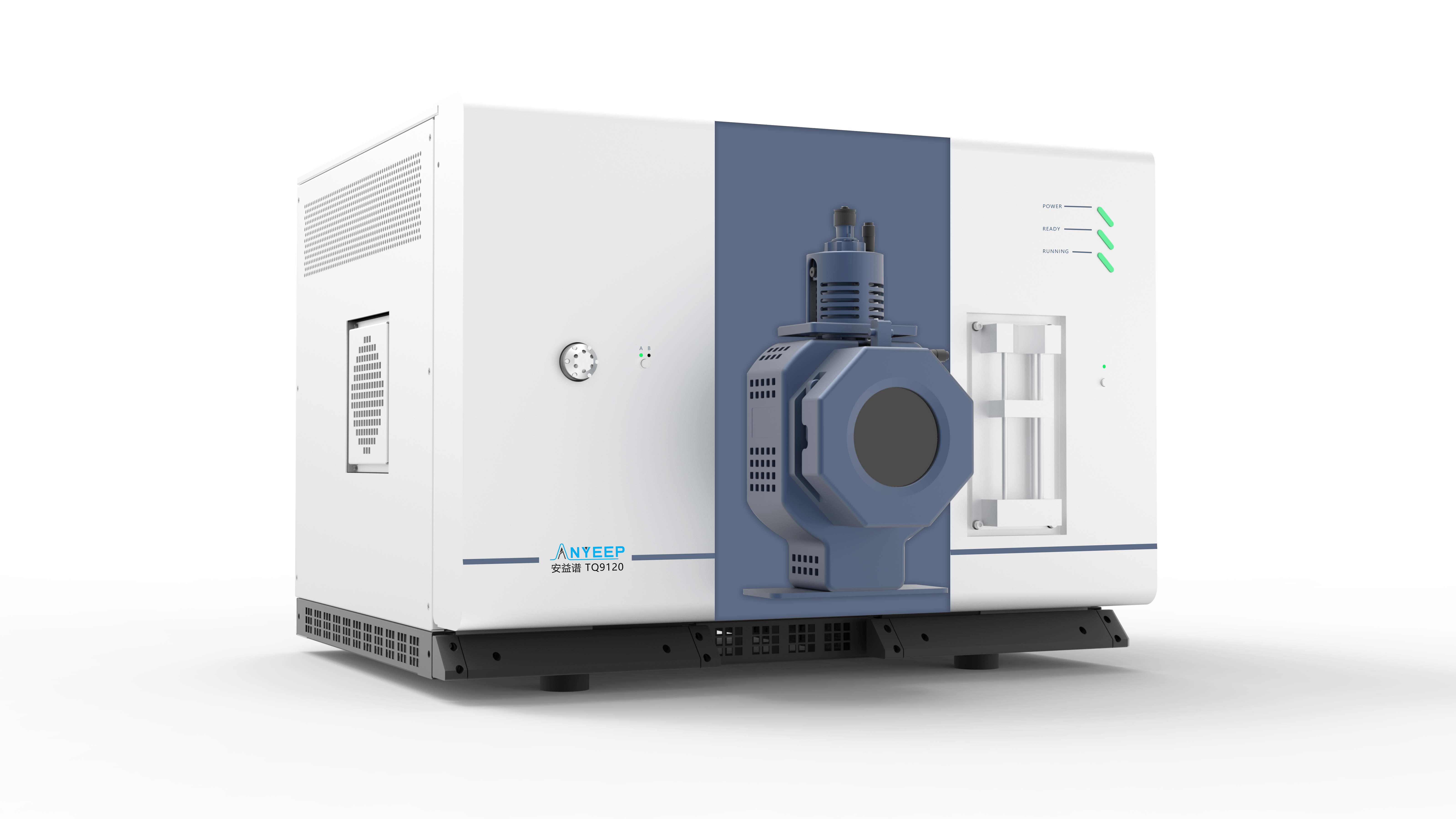
LC-MS does not rely on sample vaporization; the mobile phase is liquid, and ionization is primarily achieved via electrospray ionization (ESI) or atmospheric pressure chemical ionization (APCI). This makes it ideal for thermally unstable, non-volatile compounds with a wide molecular weight range—from small-molecule drugs in the hundreds of Daltons to proteins reaching several hundred thousand Daltons.
Life sciences are a core domain for LC-MS. In proteomics, peptide mixtures digested by enzymes are separated via liquid chromatography and identified by mass spectrometry; this is the leading approach for high-throughput protein quantification. In metabolomics, analysis of polar metabolites (amino acids, organic acids, nucleotides) relies almost entirely on LC-MS. Pharmacokinetic studies require measuring concentration changes of parent drugs and their metabolites in plasma; LC-MS sensitivity and selectivity meet pg/mL-level quantification requirements.
LC-MS is limited by a much smaller spectral library compared to GC-MS. ESI spectra differ significantly from EI spectra, and many compounds lack reference standards. Researchers must rely on high-resolution mass spectrometry for accurate mass determination or synthesize their own standards for identification.
Three Core Dimensions for Selection Decisions
When universities choose between two types of lab equipment, the decision is based on three key dimensions.
The first dimension is sample properties. Use GC-MS for volatile, thermally stable small organic molecules; use LC-MS for highly polar, thermally unstable compounds with broad molecular weight distributions. If your lab's research covers both types, having separate instruments for each is standard practice. Attempting to cover all scenarios with a single instrument is not practical.
The second dimension is the analytical objective. For qualitative screening and rapid identification of known compounds, GC-MS offers a distinct advantage due to its spectral library. For quantitative analysis requiring high sensitivity and a wide dynamic range, LC-MS with triple quadrupole configuration is more competitive.
The third dimension is the discipline. GC-MS is more frequently used in areas such as environmental chemistry, petrochemicals, and food flavor chemistry. LC-MS serves as the primary platform for biomedical research, clinical testing, and natural product chemistry. For analytical chemistry teaching laboratories with limited budgets, GC-MS is better suited as a foundational instrument due to its lower maintenance costs and easier operation.
Aniyipu's solution support
We are continuously investing in the independent development of mass spectrometry, with mature product lines now established for both GC-MS and LC-MS systems. For university research environments, Anyipu offers end-to-end support—from equipment selection consulting to method development assistance—helping research teams align their specific study goals with the most suitable analytical platform. The cost-effectiveness and rapid localized response of domestic mass spectrometers are increasingly influencing procurement decisions at universities.
Selecting the right equipment is just the first step. Establishing robust sample preparation methods and analytical conditions tailored to your specific application is key to generating high-quality data.